How it works
1
Volunteers learn to build with AI
Before any visit, volunteers take YRUD's short training on building tools with AI — in English, with French on the way. No coding background is needed.
2
A visit with one person
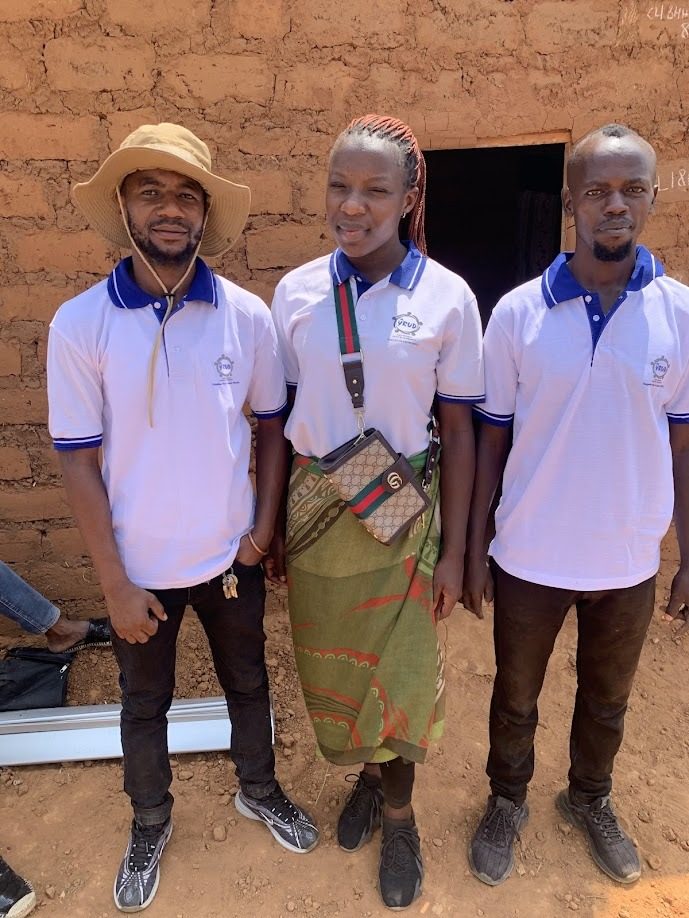
A volunteer meets one teacher, farmer or health worker at their school, farm or clinic. They go through a short survey for that role and talk about a real working week. With permission, the talk is recorded and turned into text; the recording itself is never kept.
3
A first version, built together
Before leaving, the volunteer and the person build a first version of that person's own tool, and the person gets their own account to open it on their phone.
4
Our remote team finishes it
The written plan goes to YRUD's remote builders. They add the remaining features, answer the person's feedback, and keep improving it with them. Bigger costs go on Build Directly so a supporter can fund that one thing.
5
We write down whether it helped
Each tool has one simple check the person can see for themselves within weeks. We record what was built, what it cost and whether it helped — labelled as YRUD-documented, not audited.
What we design for
- Cheap Android phones and thin, unreliable internet. Tools should still be useful when the signal drops.
- Voice first — speaking is often easier than typing.
- The person's own languages: English, French, Kiswahili, Arabic and others.
- No pupils' or patients' names are ever asked for.
Where this stands
This is new. We started with farmers: two first tools are being tested now. Surveys for teachers and health workers are ready, and the first school visit is planned. We will add each result here only once it has really happened.
Building a first version with AI can cost very little. We will publish the real cost of each tool once it is recorded, rather than an estimate.