Phase 1 · Pilot · Nakivale Refugee Settlement, Uganda
Moringa Yetu — Our Moringa
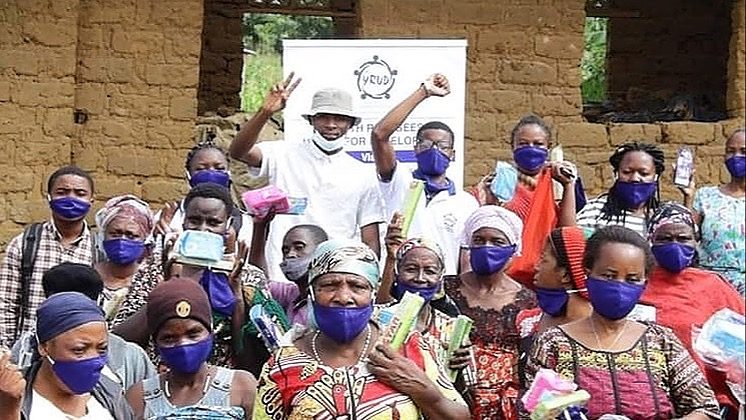
Moringa Yetu is Swahili for "Our Moringa" — a name chosen because the project belongs to the community. It begins as a moringa growing pilot in Nakivale Refugee Settlement, funded through the Growing Roots appeal — seeds, nursery beds, tools, and a hands-on workshop for children, young people, and women who will tend the first plants.
Where the appeal stands
£640.29
of £1,500 · 14 supporters
Read live from Chuffed at 13 Oct, 09:36 UTC. Gifts are made on Chuffed, not on this site.
The appeal is hosted on Chuffed by The Moringa Water Company R&D Ltd, YRUD's partner on this pilot, who holds the campaign account. Card and PayPal gifts are processed by Chuffed's payment partners; the funds are spent on the pilot at Nakivale.
Project tracker
What has happened so far, what money has reached YRUD and what it was spent on — updated by the YRUD team in Nakivale.
Stages
Phase 1, Step 1 — field setup, planting and follow-up · In progress
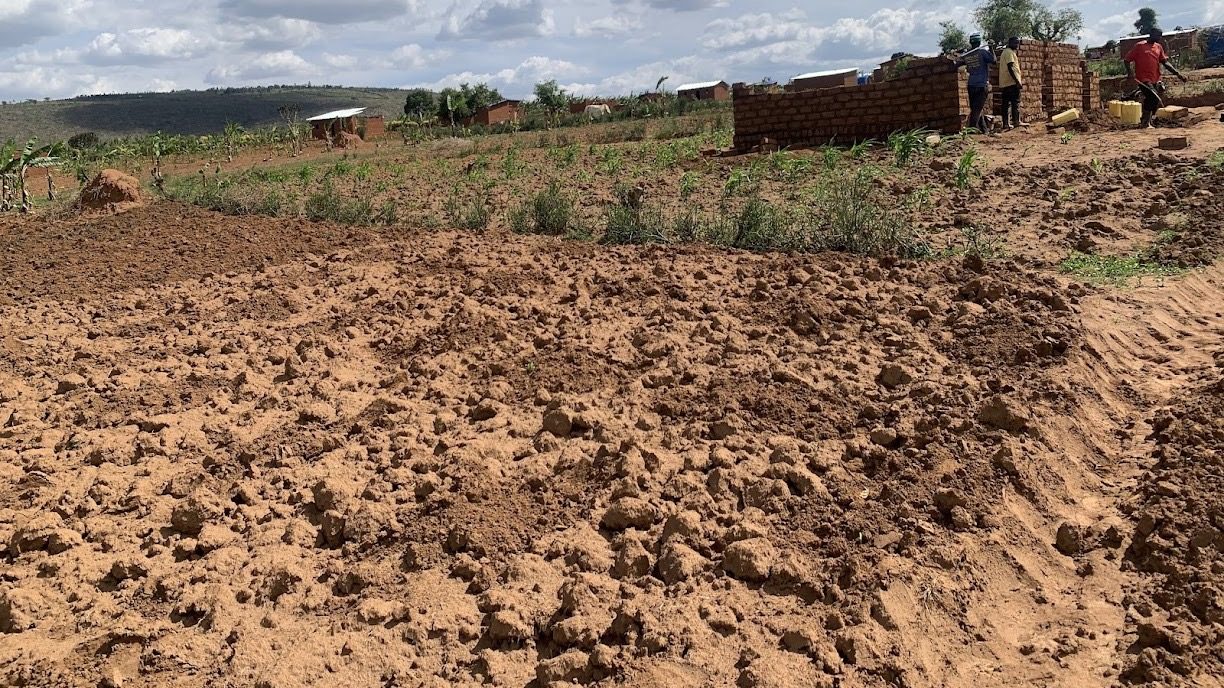
Site prepared and drained, 20 seedlings bought and 15 planted, tools bought, first community participation. Still to do: plant the last 5, keep caring for the planted ones, keep documenting.
Phase 1, Step 2 — nursery bed and getting ready for Phase 2 · Next
Set up the nursery bed, buy the remaining materials, finish visibility items, prepare for wider outreach.
Phase 2 — community outreach, young plants and the cooperative · Next
Wider community engagement, giving out young moringa plants and bringing people into the cooperative. Future stage.
Money
- Needed
- UGX 0
- Received by YRUD
- UGX 3,042,500
- Spent
- UGX 3,016,800
- 20 moringa seedlings · 9 Oct 2026UGX 900,000
- Tools for Phase 1 · 9 Oct 2026Hoes, pickaxe, spade, rake, wheelbarrow, 4 watering cans, 5 pairs of gloves.UGX 593,000
- Caps, T-shirts and ID badges · 9 Oct 20266 of each, for project visibility.UGX 561,000
- Internet and electricity, 2 months · 9 Oct 2026UGX 748,800
- 470 fired bricks for drainage · 9 Oct 2026UGX 214,000
The UGX 25,700 difference between received and spent is provisional, not money left over: small costs such as airtime, local transport and paper are still being checked against the cash book.
Figures are YRUD-documented, not audited. "Received by YRUD" counts money that has reached YRUD. The partner-hosted Chuffed appeal total is shown separately above.
Updates
9 Oct 2026 · Justin Buma, YRUD
Step 1 report: planting under way
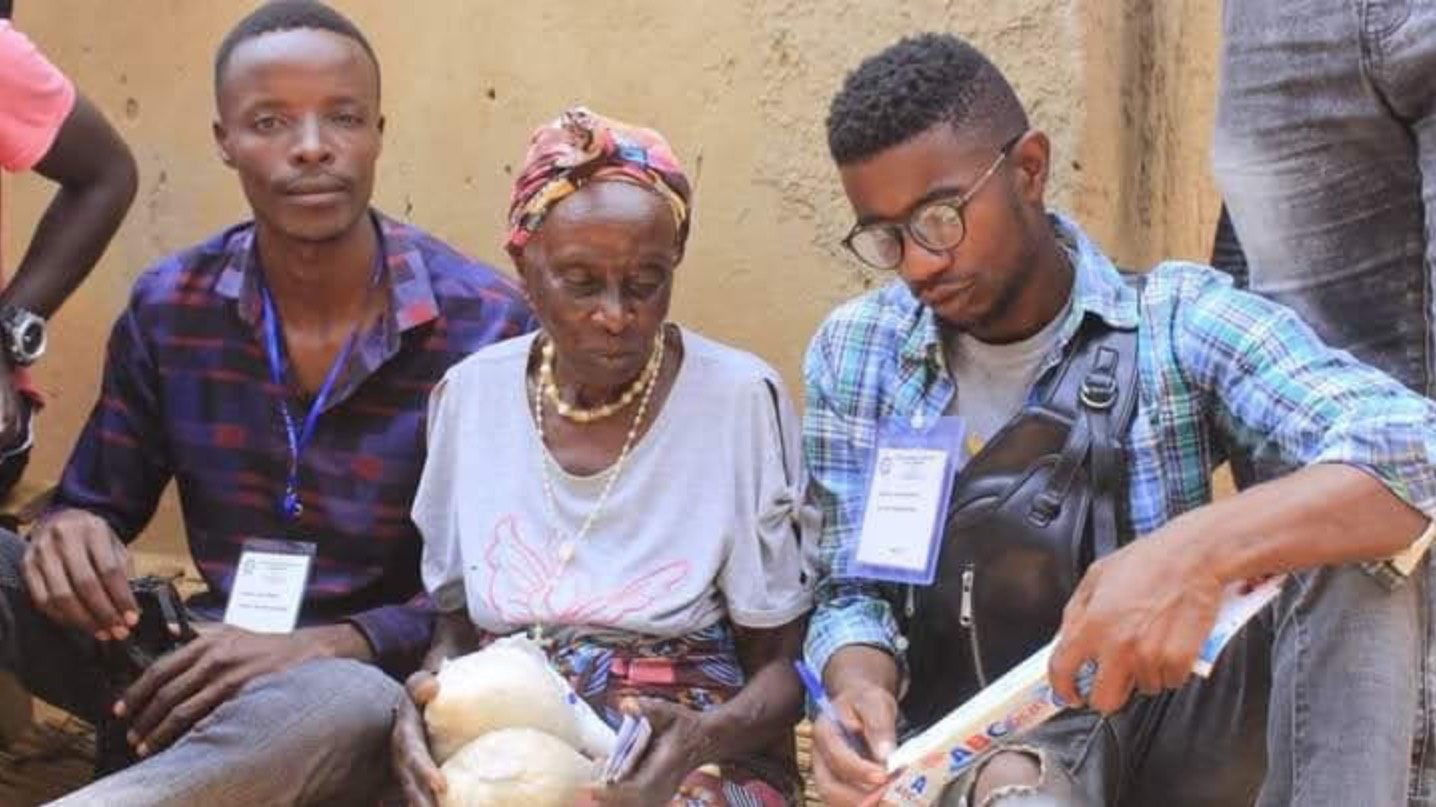
Moringa Yetu ("Our Moringa") has moved from planning into work on the ground. This is a short version of Justin's Step 1 report; the full report is linked below. - Partnership: YRUD and ICOSA Moringa / The Dymaxion Moringa Cooperative (TDMC) signed their partnership on 28 August 2026. ICOSA/TDMC gives moringa know-how, advice, fundraising help and contacts; YRUD runs the work in Nakivale. - Planting: 20 moringa seedlings bought, 15 planted and healthy, 5 still to plant. - Site: prepared, and 470 fired bricks bought to fix a drainage problem found during the work. - Tools: hoes, a pickaxe, a spade, a rake, a wheelbarrow, four 20-litre watering cans and five pairs of gloves. - People: 43 took part in the first activities — 2 women, 6 girls, 5 youth and 30 children. Wider outreach starts in Phase 2. - Visibility: 6 caps, 6 T-shirts and 6 ID badges. What we learned: drainage has to be part of field planning; a working nursery bed is essential for growing young plants to share; monitoring and records matter while Step 1 continues. Challenges: some members take part unevenly; no budget for refreshments for volunteers; no good camera for documenting; no printer. Digital: before building any digital tool, YRUD will first survey 10 people the project serves about their needs, phones and priorities. Next: Step 2 — the nursery bed, the remaining materials and preparation for Phase 2.


Why moringa, and why here
Many families at Nakivale live in survival mode — dependent on rations, navigating food scarcity, managing an environment where every resource is limited. Moringa is one of the most nutritionally dense plants available to a household with a small plot and little water: it carries all nine essential amino acids and is a strong source of iron, calcium, and vitamins A, C, and E.
It also suits the ground. Moringa grows in dry, poor soil, tolerates the heat of Isingiro, and its leaves can be picked within about two months of planting. The leaves can be eaten fresh, dried into powder, or brewed as tea — so the same plant can feed a family this season and, if the pilot works, be sold as a crop in the seasons after.
What Nakivale does not yet have is moringa. That is the gap this pilot exists to close.
The partnership
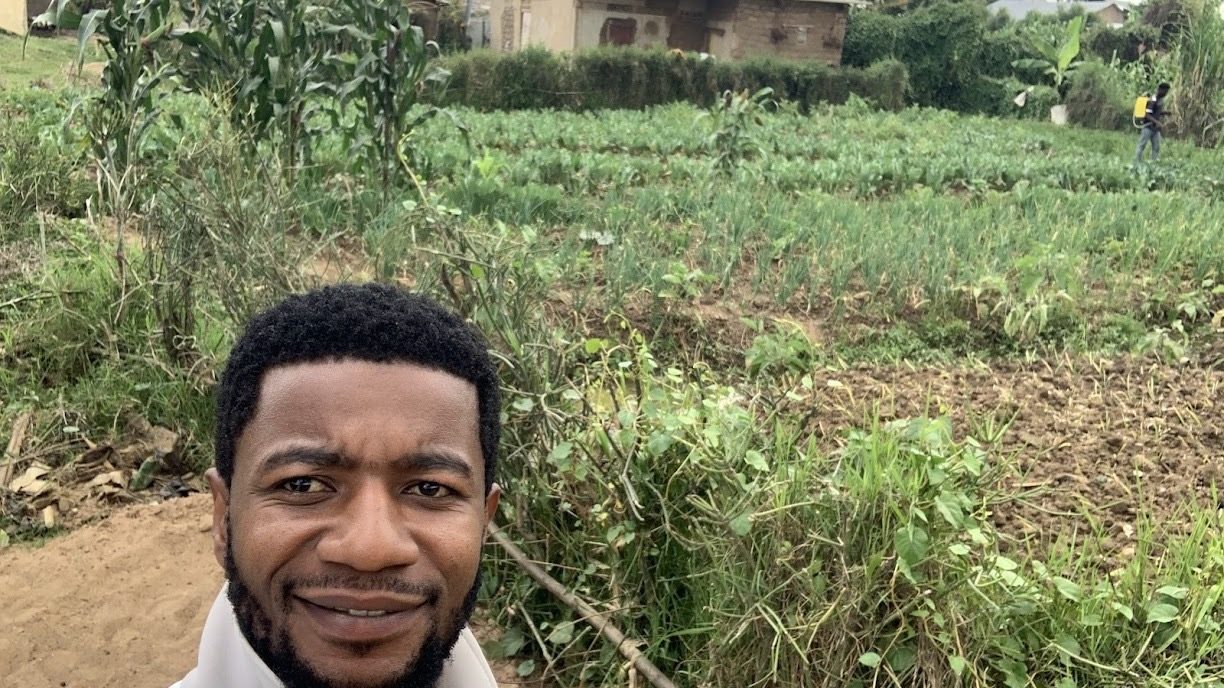
Earlier this year Justin Buma was introduced to Rona Dixon-Bowden, founder of Icosa Moringa and the Dymaxion Moringa Cooperative in Grenada, West Indies — a community-owned regenerative farming project built on a simple idea: moringa grown by and for the community, with the value staying where the crop grows.
Rona has since joined YRUD's International Board of Advisors. The advisory board advises; it does not govern YRUD, and it holds no decision-making authority over the organisation. What it does bring here is a working model and someone who has already run the programme we are adapting.
The Nakivale pilot mirrors the workshop Rona delivers with community partners in Grenada, translated to a refugee settlement in south-western Uganda.
What we are actually doing
One growing pilot, starting with a hands-on workshop. Children, young people, and women from the settlement start at the seed: they plant it, tend it, harvest it, and eat it. They learn what the plant does — for a meal now, and for a livelihood later.
This is deliberately small. A pilot tells us whether moringa establishes well in Nakivale's soil, whether households keep the plants alive through a dry spell, and whether there is real appetite to grow it at scale. Phase 2 — a cooperative — depends on what Phase 1 teaches us, and we will publish what it teaches us either way.
What a gift covers
- Moringa seeds
- Sourced locally in Uganda rather than imported.
- Grow bags, soil amendment, nursery beds
- The nursery the first plants start in.
- Watering cans, hand tools, labels
- Basic planting equipment, kept with the group afterwards.
- Local transport
- Collecting materials and delivering them into the settlement.
- Six months of power and connectivity
- Electricity and internet for Justin's base. Calls with funders have been lost mid-meeting for want of a connection; in a settlement, connectivity is infrastructure.
What this is, and what it isn't
- This is a pilot budget, not a programme budget. It funds the first planting and the workshop around it — not a cooperative, a processing facility, or salaries.
- Figures on this page are read live from the Chuffed campaign, not typed in by us.
- YRUD's own past work — fish ponds, the water well, composting, training — is documented by YRUD and has not been externally audited. We say so wherever we mention it.
Two ways to support this
Give to this specific appeal on Chuffed, where the total above is tracked publicly — card payments cannot yet be taken on this site. Or send a bank transfer into the organisation's own account, noting “moringa” as the reference; the giving page will email you the details.