Leapfrog AI Development
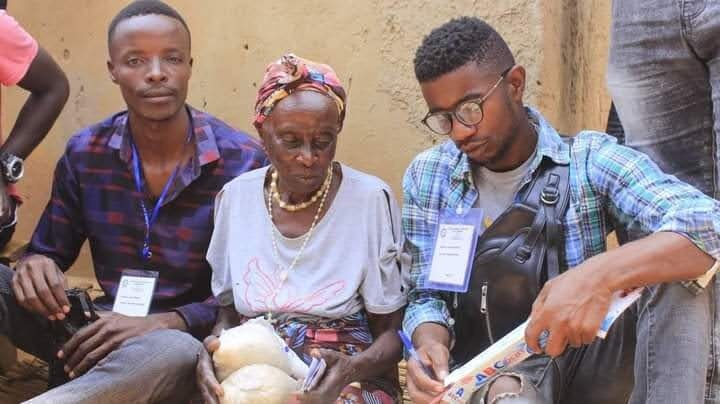
We are bringing AI adoption and digital transformation to communities that never had a robust digital footprint in the first place.
By David Prorok
Most AI transformation today is focused on helping existing companies adapt: automating workflows, reducing costs, and protecting businesses from disruption. We’re exploring the opposite opportunity:
“What happens when you build AI-native institutions, businesses, and local economies from the beginning?
Why this matters
Instead of modernizing legacy systems, we can help communities skip entire generations of software infrastructure.
A local organization that never had a CRM can start with an AI-native relationship system.
A community that never had a digital marketplace can build one around its actual needs.
An entrepreneur who never had access to developers can describe what they need and build software with AI.
A settlement with little formal digital infrastructure can create tools for communication, learning, work, services, coordination, and local commerce from first principles.
The opportunity
So rather than spending all of our energy helping mature American companies avoid being disrupted by AI, we can use the same technology to help people in places with far less existing infrastructure create entirely new economic capacity.
That’s the leapfrog:
No legacy software → no legacy constraints → AI-native from day one.
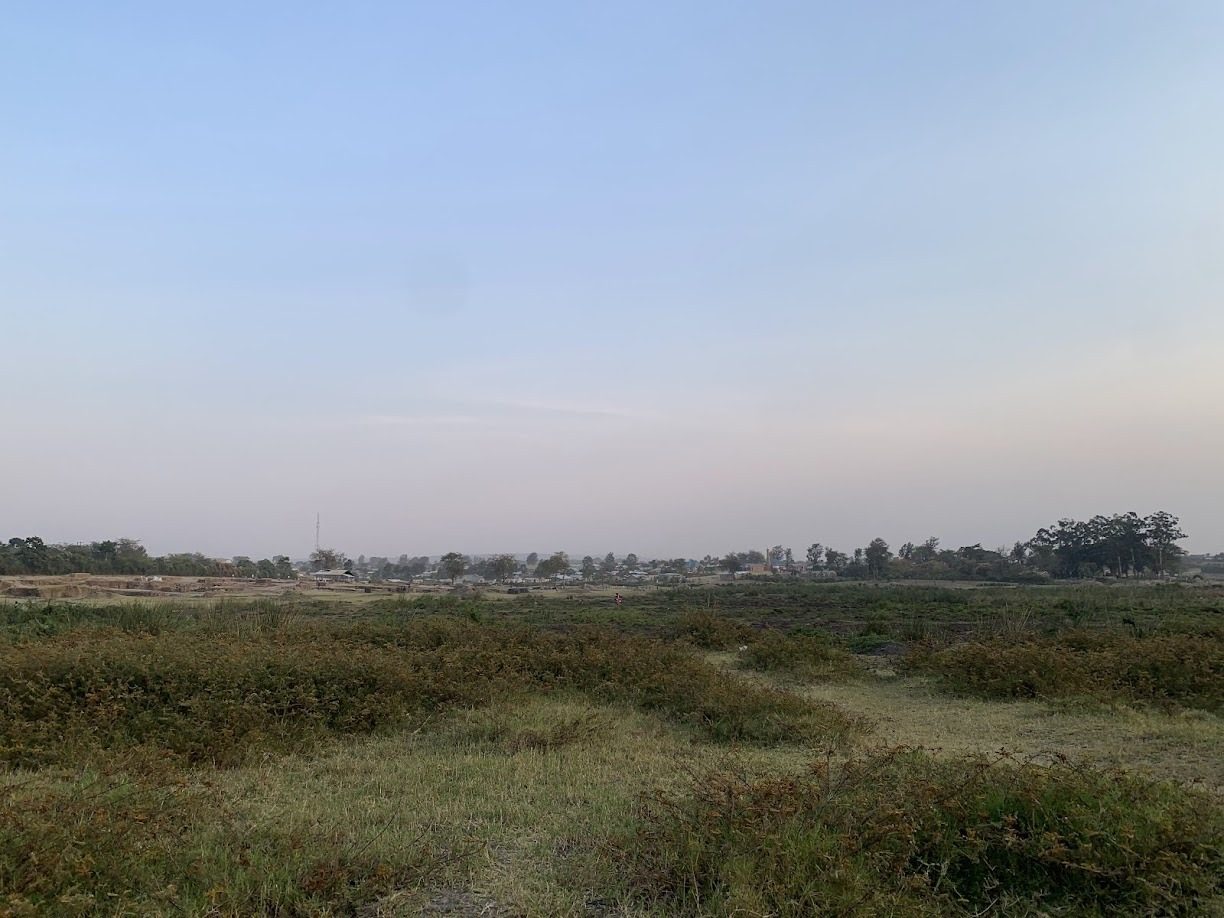
And the Nakivale work is a concrete test case: not merely putting an NGO online, but asking whether a community can use AI to build the digital infrastructure it never had.
We are not just digitizing old systems. We are helping communities build the digital infrastructure they never had.
Community-led. AI-powered. Built for real life.
The longer history: The leapfrog, again